


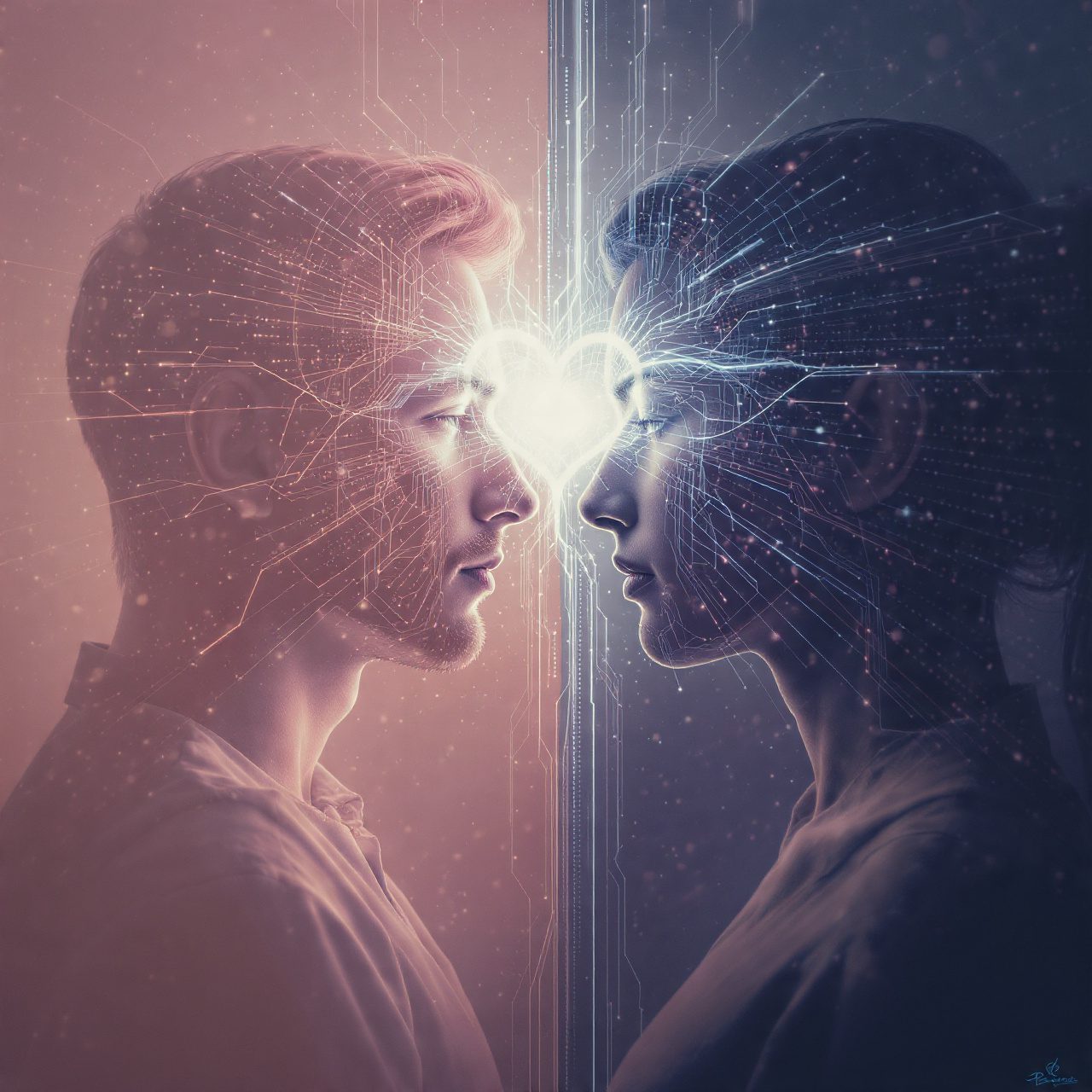
Sneha met Alex at a rooftop party. Sparks flew—laughter synced, gazes held a beat too long. Six months later, it fizzled. Meanwhile, Jenna and Tom’s first date felt like lukewarm coffee. No fireworks. Yet a decade on, they finish each other’s sentences. What separates fleeting attraction from enduring partnership? Science suggests it’s not fate or luck. Beneath the surface of shared playlists and first kisses, an invisible architecture of psychological triggers quietly builds—or breaks—our shot at lasting love. We’re wired for connection, but few understand the code.
Why Your Brain’s “Spark Detector” Is Lying to You
That jolt of chemistry? It’s often dopamine hijacking your judgment. Neuroscience reveals that initial attraction activates reward centers like sugar or gambling—prioritizing novelty over sustainability. Dr. Lena Rossi, a behavioral psychologist I’ve followed for years, puts it bluntly: “We mistake physiological arousal for compatibility. Sweaty palms and racing hearts? That’s your nervous system, not a crystal ball.” Studies tracking couples show those reporting “instant chemistry” face higher divorce rates. One Harvard project found 68% of couples with explosive starts unraveled within five years. Why? The brain’s reward system dulls over time. What remains isn’t the high—it’s the scaffolding built through quieter, unseen moments.

I’ve seen friends chase the spark like addicts, mistaking withdrawal for passion’s end. Real compatibility isn’t loud. It’s the comfort of silence, the safety to disagree. Rossi’s lab identifies this as “attachment calibration”—where your nervous system syncs, not spikes. Think of it as swapping fireworks for a hearth fire.
The Vulnerability Loop: How Risk Rewires Connection
Chemistry ignites; vulnerability sustains. It starts small. A shared insecurity. An awkward confession. Psychologists call this “reciprocal self-disclosure”—a dance of traded secrets that builds trust. Researcher Dr. Kenji Ito’s experiments reveal strangers who answer deeply personal questions (“When did you last cry?”) bond faster than those skimming surface topics. One exercise paired participants for 45 minutes. Pairs discussing preferences liked each other. Pairs sharing fears felt connected for months.
But here’s the twist: Vulnerability isn’t trauma dumping. It’s strategic courage. Jenna, from our opening story, told me about her third date with Tom. “I admitted I rehearse conversations in the shower. He didn’t laugh. He said, “Me too.” That moment of mutual exposure triggered oxytocin, the “bonding hormone.” Ito’s data shows couples practicing micro-vulnerability—admitting small flaws, asking for help—report 40% higher relationship satisfaction. It’s not about grand gestures. It’s whispering, “I’m scared,” and hearing, “Me too. Now what?”
Ghosts in the Machine: How Childhood Scripts Steer Adult Love
We date with ghosts. Attachment theory isn’t just academic—it’s the invisible code running beneath every argument and embrace. Was your caregiver a child? They become your relationship blueprint. Avoidant partners pull away when stressed; anxious ones cling. Secure types communicate needs without drama. Dr. Maria Chen, a therapist I interviewed, notes, “People blame incompatibility when it’s often attachment injuries replaying.”
Consider Mark, who’d flee conflict. He thought he needed “space.” Therapy uncovered a childhood where emotions meant punishment. His wife’s tears weren’t manipulation—they were intimacy. Chen’s clinic uses “attachment mapping” to help couples rewrite these scripts. Success isn’t perfection. It’s recognizing when old fears hijack present love. One study found 73% of couples improved intimacy simply by naming attachment triggers (“When you withdraw, I feel abandoned”). The past isn’t destiny. But ignoring it? That’s a recipe for reruns.

The Sync Test: Why Shared Laughter Beats Shared Hobbies
Forget matching Spotify playlists. True compatibility hums in nonverbal synchrony—micro-expressions, mirrored posture, and the beat between laughter. Dr. Evelyn Park’s lab films couples discussing bills or vacations. Software tracks eye movements, vocal pitch, and even breathing. Her finding? Pairs in sync physiologically report a deeper connection. One test measured partners’ heart rates during stressful talks. Those whose rhythms aligned recovered faster. Conflict didn’t crater them.
Park told me, “It’s not about agreeing. It’s about co-regulation.” Think of a crying baby soothed by a parent’s heartbeat. Adults aren’t different. My neighbor Claire described her marriage’s turning point: “We were fighting about chores. Then he made that stupid pun about the vacuum. I snorted. Suddenly, we weren’t enemies.” Humor, Park notes, is a neural handshake. It signals safety. Partners who laugh together? They navigate storms better.
The Context Trap: Why Love Needs More Than Two People
Romance sells isolation—two souls against the world. Reality? Compatibility thrives or dies on context. Financial stress, isolation, or unsupportive communities strain even resilient bonds. Sociologist Dr. Ray Nguyen studies “relationship ecosystems.” His data shows couples with strong friend networks divorce 30% less often. “Love isn’t a sealed container,” he insists. “It’s permeable.”
I witnessed this with my friends Priya and Sam. They nearly split during lockdown—trapped in a tiny apartment, jobs gone. What saved them? Joining a community garden. Digging soil side-by-side rebuilt their rhythm. Nguyen calls this “ambient support.” External anchors—friends, hobbies, purpose—absorb pressure so love doesn’t have to. Without them, chemistry suffocates.

The Counter-Intuitive Truth: Compatibility Isn’t Found. It’s Built
We’re sold a fairy tale: discover your “perfect match,” and happiness follows. Wrong. Lasting love isn’t unearthed—it’s constructed. Dr. Elena Voss, who studies centenarian couples, told me, “They didn’t have more in common. They got better at bridging differences.” Her research highlights “repair attempts”—small gestures post-fight (a joke, a touch) that prevent resentment. Has one couple been married 75 years? Their secret was a code word: “pineapple.” When tensions rose, someone said it. They’d pause, reset.
Voss’s most radical finding: Initial compatibility matters less than a growth mindset. Partners who believe love evolves outlast those seeking static harmony. Modern dating apps fixate on filters—hobbies, height, and astrological signs. Future tools might prioritize adaptability. Imagine algorithms testing how you handle disagreement or boredom. The goal isn’t avoiding conflict. It’s building a shared language to navigate it.
Closing Thought
We’ve mapped genomes and algorithms, yet love’s alchemy still defies formulas. Maybe that’s the point. The magic isn’t in flawless alignment—it’s in choosing to stay curious. To whisper, “Tell me again,” when the story gets messy. After decades of studying couples, I’ve learned this: Lifetime compatibility isn’t a destination. It’s the courage to rewrite the code, together, one vulnerable moment at a time.



+ There are no comments
Add yours