


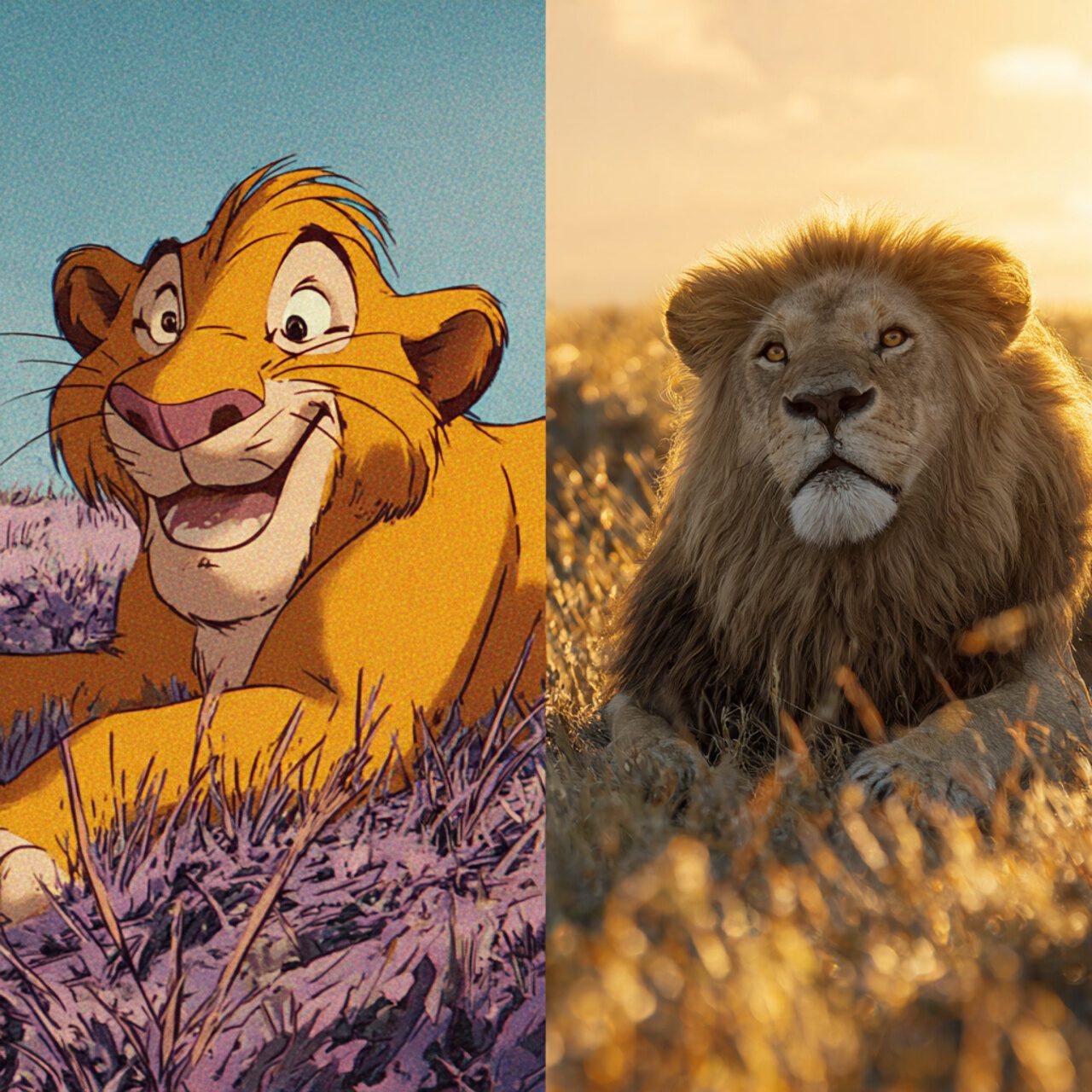
For over fifteen years, I’ve worked in the delicate space between childlike wonder and biological reality. My career, spanning zoological education, wildlife rehabilitation, and designing children’s nature programs, has been dedicated to one vital transition: guiding a child’s gaze from the flat, talking animal on a screen to the breathing, complex creature in the world. I’ve seen the moment a toddler, weaned on singing meerkats, falls silent before the intense, cooperative hustle of a real mob. It’s a sacred shift. Today, our children are more acquainted with animated animals than with the sparrow within the hedge. This isn’t just a lack of connection; it’s an essential misunderstanding of existence itself. This article is your area manual for bridging that hole. We’ll move beyond the cartoon to cultivate not simply expertise but also admiration, empathy, and a sense of stewardship that can last an entire life.
Part 1: The Screen Safari—Understanding the Cartoon Landscape
Before we can introduce the real, we must understand the imagined. The cartoon animal is a tool for storytelling, designed for humor, morality tales, and simple identification. Its eyes are huge (for empathy), its movements are exaggerated, and its needs are human. A lion wants friendship, a rabbit outsmarts with sass, and a shark has dental anxiety.
There’s value here—it sparks initial interest. But the limitations are profound. As an educator, I’ve had to gently correct countless misconceptions: “Why is that sloth so slow? Is it lazy?” (No, it’s an evolutionary masterpiece of energy conservation.) “Will that owl deliver my mail?” (No, and please stop chasing them.) The cartoon world removes predation, sickness, complex social structures, and the sheer, unscripted wildness of being an animal.

Our first job as parents and mentors isn’t to ban screens but to become “Media Mentors.” Watch with your child. Pose questions: “Do you think real raccoons wear vests and steal pies, or do they have other jobs in the forest?” “That hyena is the villain, but in the wild, what important job might it do?” You’re not ruining the fun; you’re building a scaffold for reality.
Part 2: The First Bridge—From Pixels to Prints (At-Home Foundations)
The journey outdoors begins indoors. We start by seeding curiosity and refining observation skills.
1. The “Quiet Watch” Exercise
I’ve used this in countless workshops. Set up a bird feeder outside a window. Give your child a notebook and pencils. The task is not to draw a perfect cardinal, but to note three things: What is it doing? (Pecking, looking around, fighting with a blue jay). What does it look like? (Red here, black there, shape of beak). What questions do you have? Where does it sleep? What do its babies look like? This moves them from passive watching to active seeing. The cartoon is replaced by a biography in progress.
2. The Sound Safari
Animals are often heard before they are seen. Create a “home sound map.” Sit quietly in your yard or local park for five minutes. Mark on a paper every sound: “bird chirp high,” “leaf rustle,” “distant dog.” Later, use apps like Merlin Bird ID to match calls. This teaches that life is layered, hidden, and all around us, even without a visual.
3. Responsible Virtual Exploration
When you can’t be outside, curate quality display screen time. I suggest live-streaming flora and fauna cams from reputable zoos, aquariums, or conservation corporations (Explore.Org is first-rate). Watch the uncut, un-narrated existence of a bald eagle nest or an African watering hollow. Narrate what you notice: “Look, the mom is coaching her cub to fish. See how patient she is? That’s her real job.” This provides a raw, authentic counterpoint to the edited, frantic pace of nature documentaries.
Part 3: The Backyard Expedition—Your Local Wilderness Awaits
You don’t need the Serengeti. Biodiversity is in the bug hotel, the storm drain, and the vacant lot.
1. The Micro-Safari
Equip your explorer with a magnifying glass and a clear container (for temporary observation). Turn over a log (and gently replace it). Who lives there? Pill bugs (not “roly-polies” just for fun, but detritivores that recycle soil), millipedes, and a hunting spider. The goal is not collection but meeting tenants. I always teach the mantra: “Observe, appreciate, replace.” This is where respect is born—in handling the small and overlooked with care.

2. Tracking & Traces
Animals leave stories. A chewed acorn tells of a squirrel’s meal. A feather hints at a molt or a struggle. Muddy paw prints are a narrative of a morning patrol. Become detectives. Take photos, make plaster casts of prints, and start a “mystery” journal. This teaches inference and that animals have their own paths and purposes, entirely separate from us.
3. Creating a Habitat Haven
The final connection turns out to be a bunch. Plant local flowers for pollinators. Build an easy bee motel from bamboo canes. Put out a shallow dish of water for birds and bugs. When a child sees a butterfly sip from a plant they planted, or a frog use the toad dwelling house they painted, the relationship is visceral and proud. They are not simply observers; they’re participants inside the environment.
Part 4: The Guided Journey—Zoos, Aquariums & Sanctuaries
These institutions are critical bridges, but their value depends entirely on how you use them. I’ve worked in them; I know their potential and their pitfalls.
How to Be a Critical, Compassionate Visitor
Pre-Visit Prep: Don’t just go. Choose a facility with a strong conservation mission (look for AZA accreditation). Pick two or three animals to “study.” Watch a cam, read a fact. This builds anticipation beyond “seeing a tiger.”
Focus on Behavior, Not Just Appearance: At the enclosure, don’t just say, “Look, a tiger!” Say, “Let’s watch. What is it doing? Is it pacing a pattern? Sleeping in the sun? How does its body move?” Use the informational signs to discuss their real life: territory size, hunting adaptations, and threats in the wild. This moves the experience from a living picture book to a biology lesson.
Ask the Right Questions: Encourage your child to ask zoo staff questions that go beyond basics. “What’s this animal’s favorite enrichment item?” “How do you know if it’s healthy and happy?” “What project is this zoo helping with in the animal’s home country?” This frames the zoo as a hub of care and conservation, not just a display.
The Sanctuary Ethos
Whenever possible, pick a moral, natural world sanctuary or rehabilitation center over a flashy, hands-on tourist trap. The message here is profound: This animal isn’t always for our amusement. We are here to find out about it and aid its well-being. Seeing a rescued bear in a big, forested enclosure, maybe with a missing limb from a poacher’s trap, teaches an extra complex, greater essential tale than any cartoon ever ought to.

Part 5: Fostering the Conservationist Mindset
The end goal is not a checklist of animals seen, but a heart inclined to protect them.
1. Connect the Dots to Home
That chocolate bar? It comes from somewhere that was once a habitat. That plastic bottle? It might end up in a sea turtle’s ocean. Use simple, cause-and-effect language. “When we choose snacks with sustainable palm oil, we help protect orangutan homes.” Empower them with choices—using a reusable water bottle becomes a “turtle-saving mission.”
2. Support Citizen Science
Make your observations count. Apps like iNaturalist allow your child to upload photos of bugs, birds, or plants, contributing to real scientific databases. They become a scientist, their backyard data part of a global project. I’ve seen kids light up knowing a real researcher used their photo.
3. Ethical Storytelling
Fill your bookshelves with testimonies of painting animals authentically. Seek out nonfiction and traditionally correct fiction. Read about migration, symbiosis, and version. The actual tales—of the Arctic tern’s epic journey, the clever device use of the crow, and the verbal exchange of whales—are more dazzling than any fiction.
Conclusion: Planting the Seed of True Wonder
The path from cartoon to creature is one of the most important journeys we can guide. It trades simplistic narratives for complex truth. It replaces fear or frivolity with fascination and respect. I’ve seen hardened, screen-focused kids soften when a rehabbed owl turns its head and meets their gaze. That silent exchange contains a universe.
Start small. Start in your yard. Start with a query. Your role is not to be an encyclopedia but a fellow explorer, saying, “I don’t realize either—let’s find out together.” You are giving your baby a present that is some distance more than a cool animated film: a lifelong ticket to the best, most real show on Earth—the living, breathing, wild international simply outdoors their door. And in know-how, they’ll learn to find it irresistible. And in loving it, they will feel compelled to protect it. That is the ultimate transition: from viewer to visitor to guardian.



Really great read — I appreciate how clearly you explained the importance of local online presence for businesses today. It’s a topic many companies overlook, i find it very interesting and very important topic. can i ask you a question? also we are recently checking out this newbies in the webdesign industry., you can take a look . waiting to ask my question if allowed. Thank you
[…] act of wildlife photography engages a powerful trifecta of therapeutic processes: Mindful Presence, The Flow State, […]