


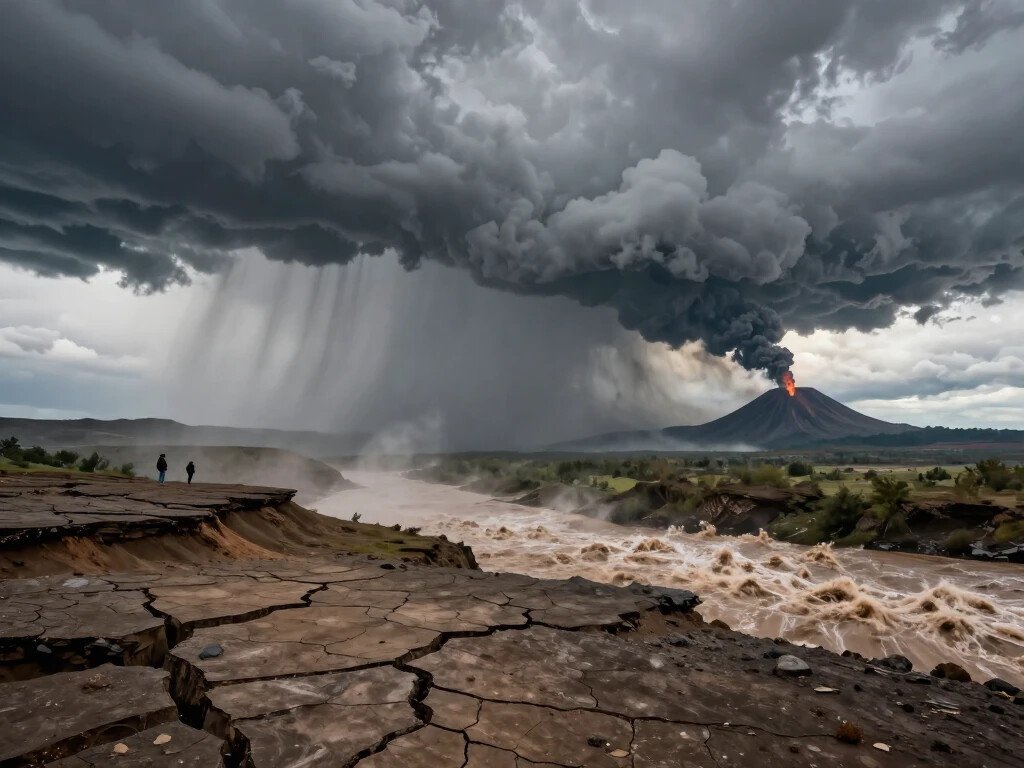
Unquestionably, nature is strong and resilient, but occasionally it seems to revolt against human interference, serving as a reminder of its might and unpredictable nature. Natural disasters such as hurricanes, tsunamis, and volcanic eruptions show off the might of the Earth, changing lives and modifying landscapes while serving as a constant reminder to mankind of its susceptibility to the wrath of the natural world.
Earthquakes: Shifting Tectonic Plates
Earthquakes, a result of the Earth’s tectonic plates shifting and releasing energy, can cause widespread destruction and devastation. The sudden release of seismic energy beneath the Earth’s surface creates shockwaves that ripple through the ground, toppling buildings, altering terrain, and endangering lives. From the catastrophic 2011 earthquake in Japan to the historical 1906 San Francisco earthquake, these events serve as stark reminders of nature’s force and the importance of preparedness in seismic zones.

Volcanic Eruptions: Earth’s Fiery Unrest
Volcanic eruptions may cause chaos and devastation despite their breathtaking sight. Landscapes and nearby populations may be impacted by pyroclastic flows, lava flows, and volcanic ash clouds that result from the eruption of magma, gases, and ash from the Earth’s mantle. The immediate and widespread effects of volcanic activity are highlighted by incidents like the 79 AD eruption of Mount Vesuvius, which is famous for burying Pompeii, or the more recent eruptions of Mount St. Helens and Eyjafjallajökull in Iceland.
Hurricanes and Cyclones: Unleashing Nature’s Power
Hurricanes and cyclones, powerful tropical storms with ferocious winds and torrential rains, wreak havoc as they make landfall. These meteorological phenomena, fueled by warm ocean waters, can cause storm surges, flooding, and extensive damage to coastal areas. Hurricane Katrina in 2005 and Cyclone Idai in 2019 are haunting reminders of the immense destruction and human suffering caused by these natural disasters.
Tsunamis: Waves of Devastation
Massive waves known as tsunamis are created when subsurface seismic activity, such as earthquakes or volcanic eruptions, travels across seas and strikes coasts with deadly power. A strong earthquake in 2004 caused the Indian Ocean tsunami, which devastated several nations, took hundreds of thousands of lives, and changed the coastline environment.
Human Response and Mitigation Efforts
Following the uprisings of nature, humanity must confront the difficult undertakings of rehabilitation, restoration, and mitigation. In order to lessen the effects of these natural catastrophes, preparedness, early warning systems, evacuation strategies, and robust infrastructure are essential. Technological developments and international cooperation are also helpful in anticipating and planning for these occurrences.

Environmental Implications and Climate Change
Natural revolts may be signs of more significant environmental shifts rather than just singular occurrences. Scientists warn that rising global temperatures are causing weather patterns to change and storms, wildfires, and other severe occurrences to intensify, increasing the frequency and severity of natural catastrophes.
Lessons Learned and Resilience
Even while nature’s uprisings have caused destruction, these incidents also demonstrate humanity’s resiliency, camaraderie, and ability to rebuild. Together, communities band together, relief arrives from all over the world, and lessons from previous catastrophes influence present and future responses, resulting in a shared dedication to resilience and preparation.
Coexistence and Balance
It is crucial to comprehend the forces of nature and to honor the fragile equilibrium that exists between humans and the environment. Minimizing the impact of nature’s rebellions requires responsible land use, conservation initiatives, sustainable practices, and climate-conscious legislation. These approaches help to build harmony between human activities and the planet’s natural processes.
Conclusion
Even while nature’s uprisings are strong and frequently disastrous, they serve as a constant reminder of the power of the Earth and our inextricable link to it. In the face of these natural disasters, it is critical that we as stewards of the earth embrace resilience, sustainable practices, and readiness. In an ever-changing world, preserving future generations’ well-being and lessening the effects of nature’s uprisings need us to maintain a healthy coexistence and balance our interaction with the natural world.



[…] the most profound impact of alternate weather is how it’s throwing nature’s meticulously tuned clock out of balance. For millennia, species have survived by means of following problematic, […]